3D Is the Future of Web Design
A 3D product demo for a handstitched leather wallet, and why I think interactive 3D is the future of showing people what you sell.
I just built something that made me want to rethink every product page I’ve ever designed.
It’s an interactive 3D showcase for a handstitched leather wallet from Atelier Junto. You can spin it, open the cash sleeve, zoom in on the stitching, change the color, and pull the whole thing apart into its layers. All in the browser. No app, no plugin.
It started as a fun idea. It turned into the clearest case I’ve seen for where web design is going.
A wallet you can turn over
This is the first thing you see. The wallet floats in a quiet studio, and you can grab it and turn it however you want.
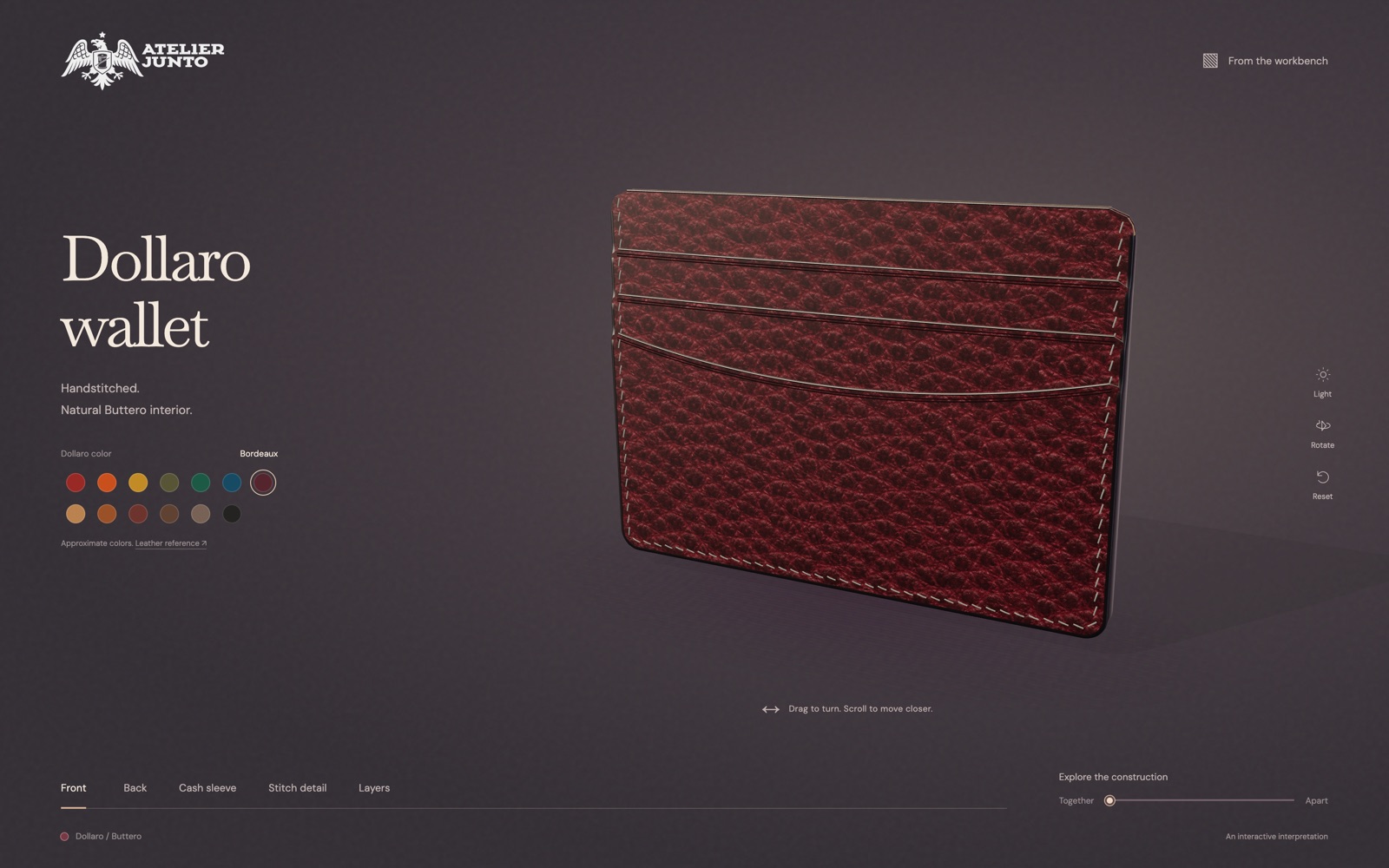
A photo shows you the one angle somebody else picked. Here, you pick. Want to see where the cash goes? One click. Done.
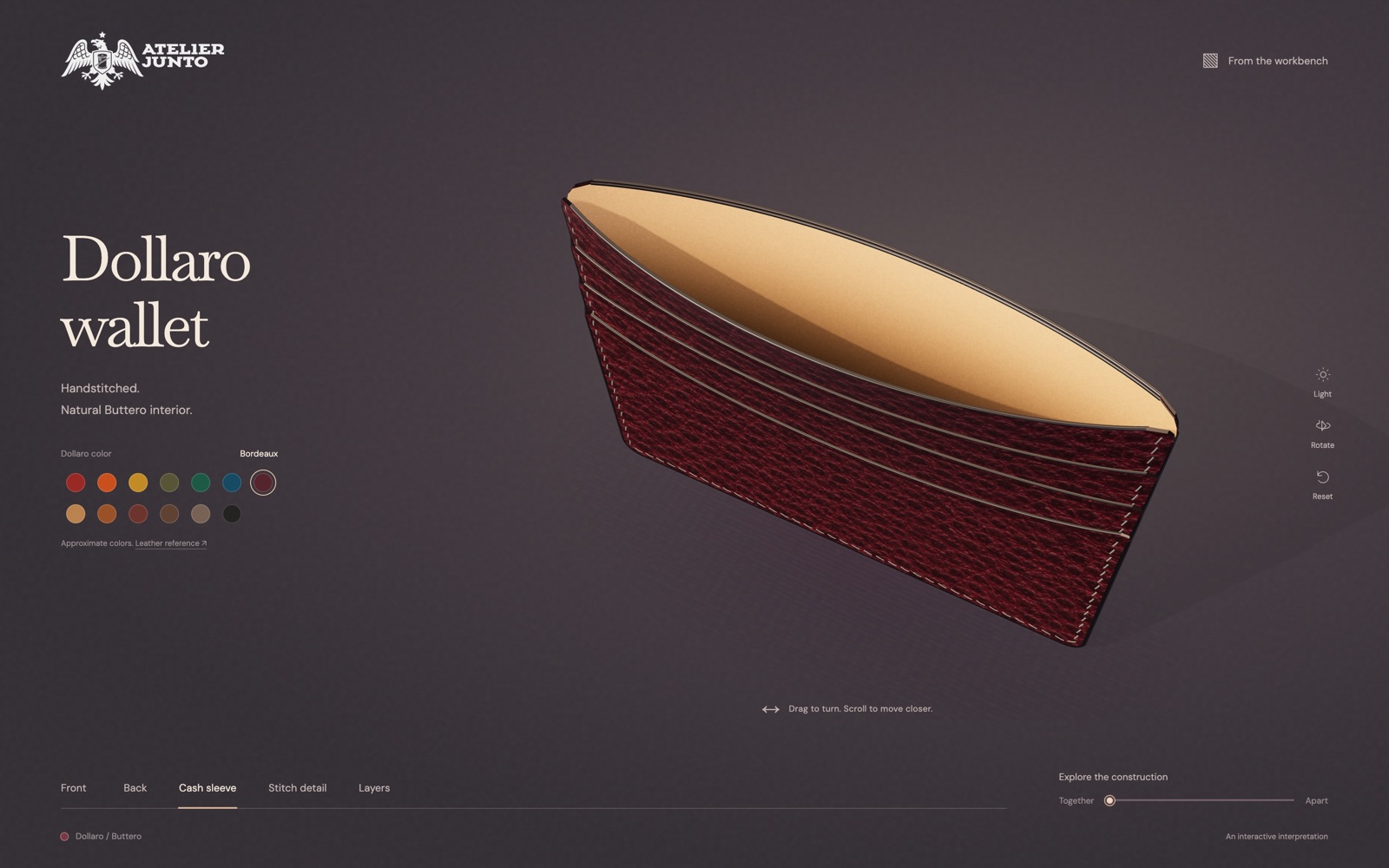
Then you get close. Close enough to see the grain and every stitch along the edge. The kind of detail you’d normally only notice holding it in your hand.
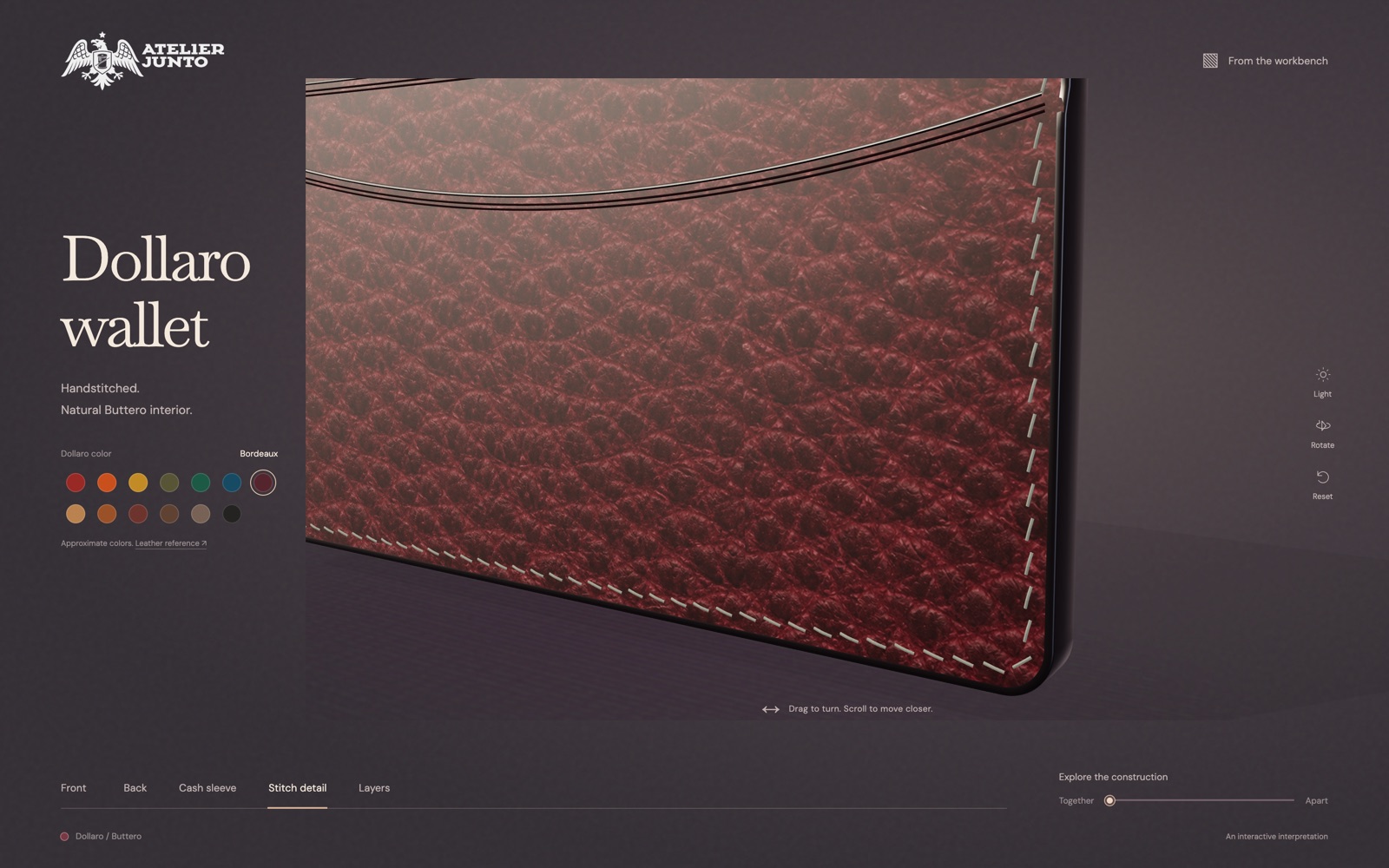
It takes people on a journey
This is the part I keep coming back to. The page doesn’t just display the product. It walks you through it.
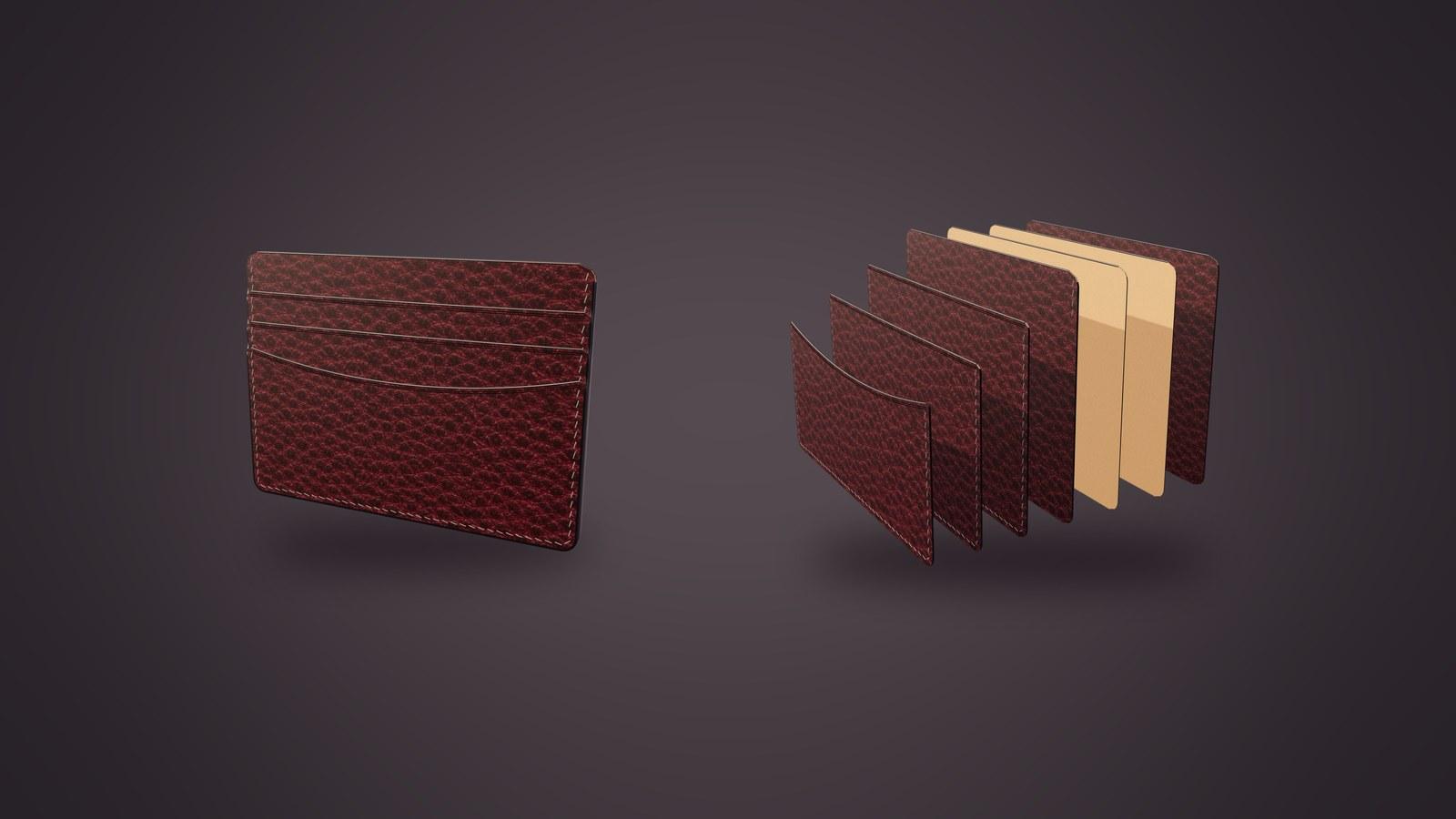
Front. Back. Inside. Detail. Then my favorite, the construction view. Slide it to “Apart” and the wallet separates into every layer that makes it up: the outer panels, the lining, and the three pockets.
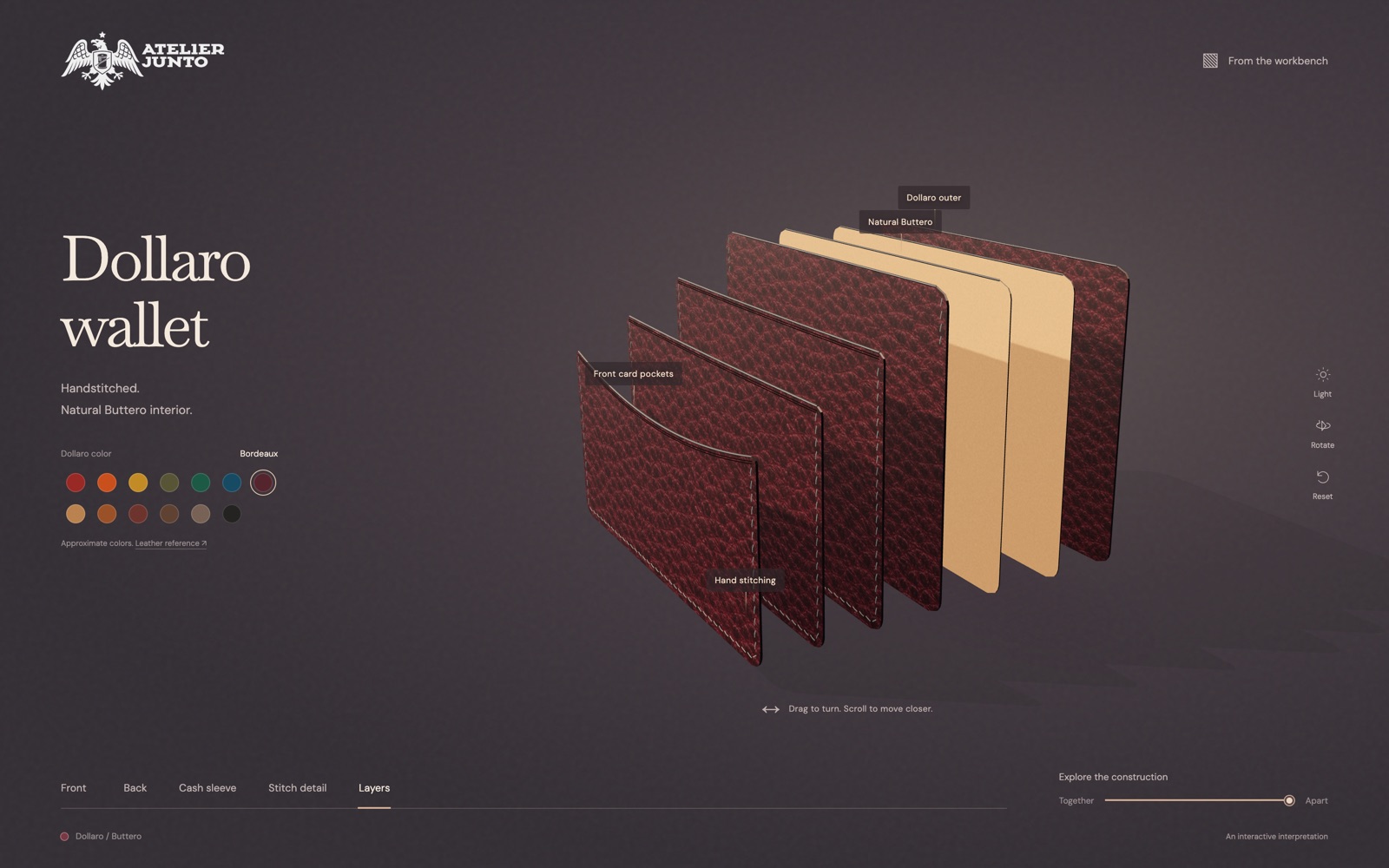
Think about what that does for someone deciding whether a handmade wallet is worth the price. You aren’t telling them it’s well made in a paragraph of copy (that nobody reads). You’re showing them how it’s made and letting them take it apart themselves.
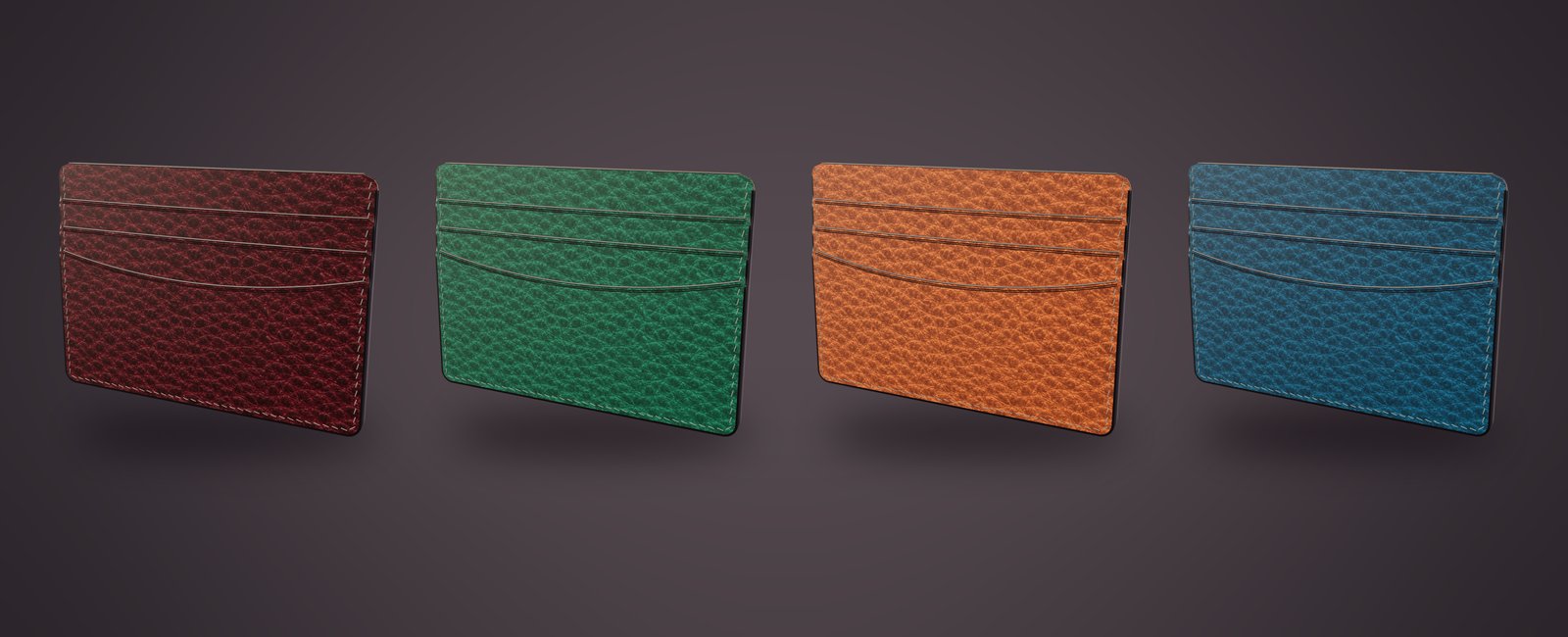
Same with color. Instead of a grid of thirteen product photos, you tap a swatch and the wallet changes right in front of you.
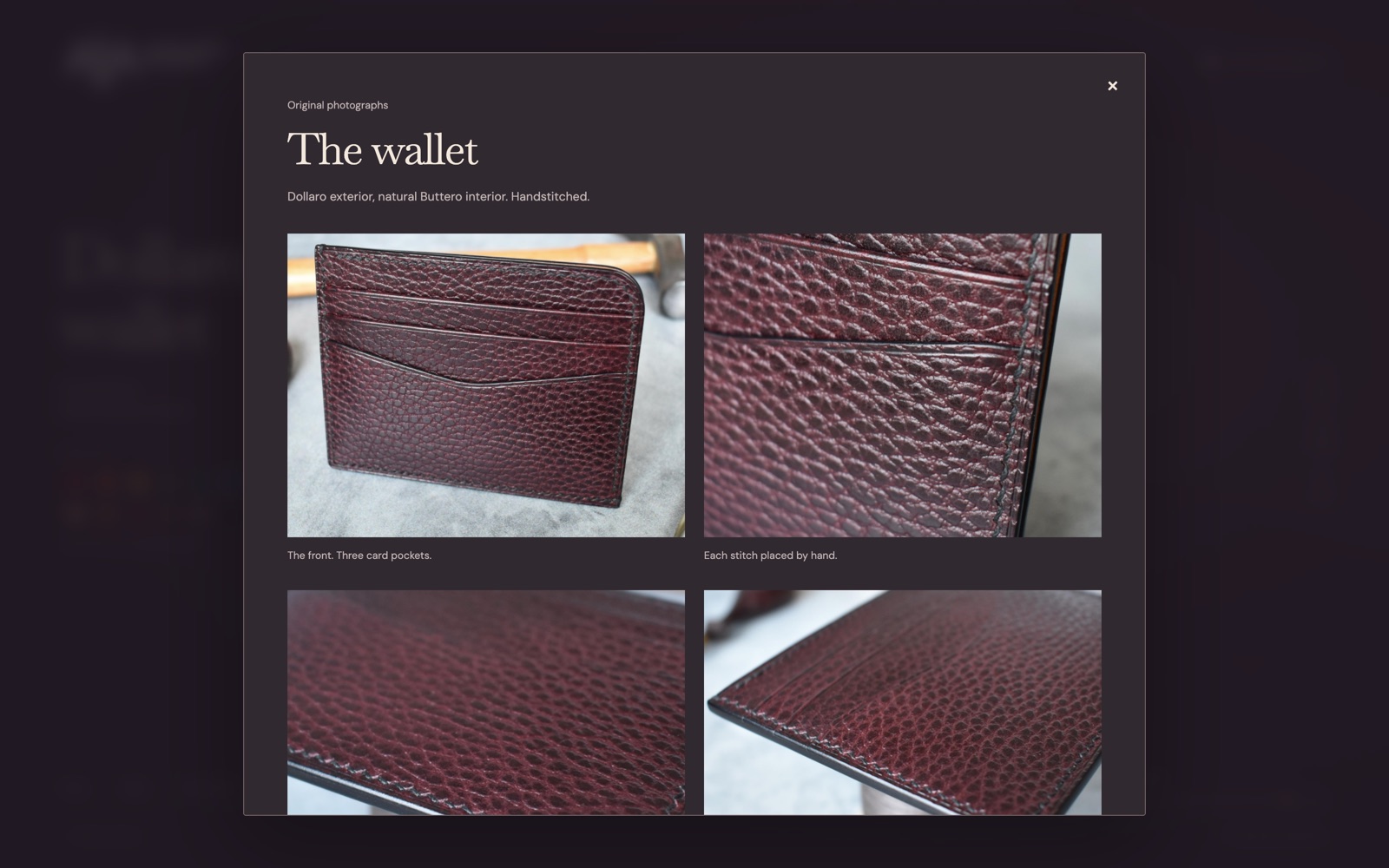
And the real thing is still there. The original photographs from the workbench are one click away, so the 3D view never has to pretend to be more than it is.
Why I think this is the future of web design
Let’s give the other side its due first. Most websites don’t need a spinning 3D model. Plenty of businesses are better served by a fast page, clear copy, and a phone number. A gimmick is still a gimmick, even in three dimensions.
But for anything people want to see, hold, or understand before they buy, I think this is where it’s heading. Three reasons:
- It makes the product easy to understand. People don’t have to imagine how it works. They watch it work.
- It turns a visit into an experience. Scrolling past photos is passive. Turning something over is curiosity, and curious people stick around.
- It closes some of the gap between online and in person. What you lose selling online is the moment someone picks the product up. This gets you a lot closer to that moment.
I believe in it enough that I rebuilt the homepage of this site as a scroll-driven 3D journey last week. Same principle. Don’t just tell people who you are. Bring them through it.
The question isn’t “should my website be 3D?” It’s “is there something about what I sell that people only get once they can explore it?” If the answer is yes, a static page is leaving that on the table.
How I made it (the short version)
It’s built with Three.js, the JavaScript library that renders 3D right in the browser. Beyond that, I’m testing some proprietary workflows, and I’m keeping those to myself while I keep developing them.
What I will say is that something like this used to feel out of reach for a small brand. That is changing fast.
The idea still comes first
Here’s the thing, though. None of this matters if the idea is wrong.
The workflow is only half of it. The other half is knowing what would actually be interesting or useful to your customer. For a handstitched wallet, that meant the stitching, the lining, and how it all goes together. For a roofing company or a software product, it would be something completely different.
This one was just a fun idea I had. But that’s usually how it starts.
The technology lets people turn the product over. You still have to know what you want them to find.
PS: I wrote about the same lesson with AI video in AI Video Still Needs a Good Idea.